
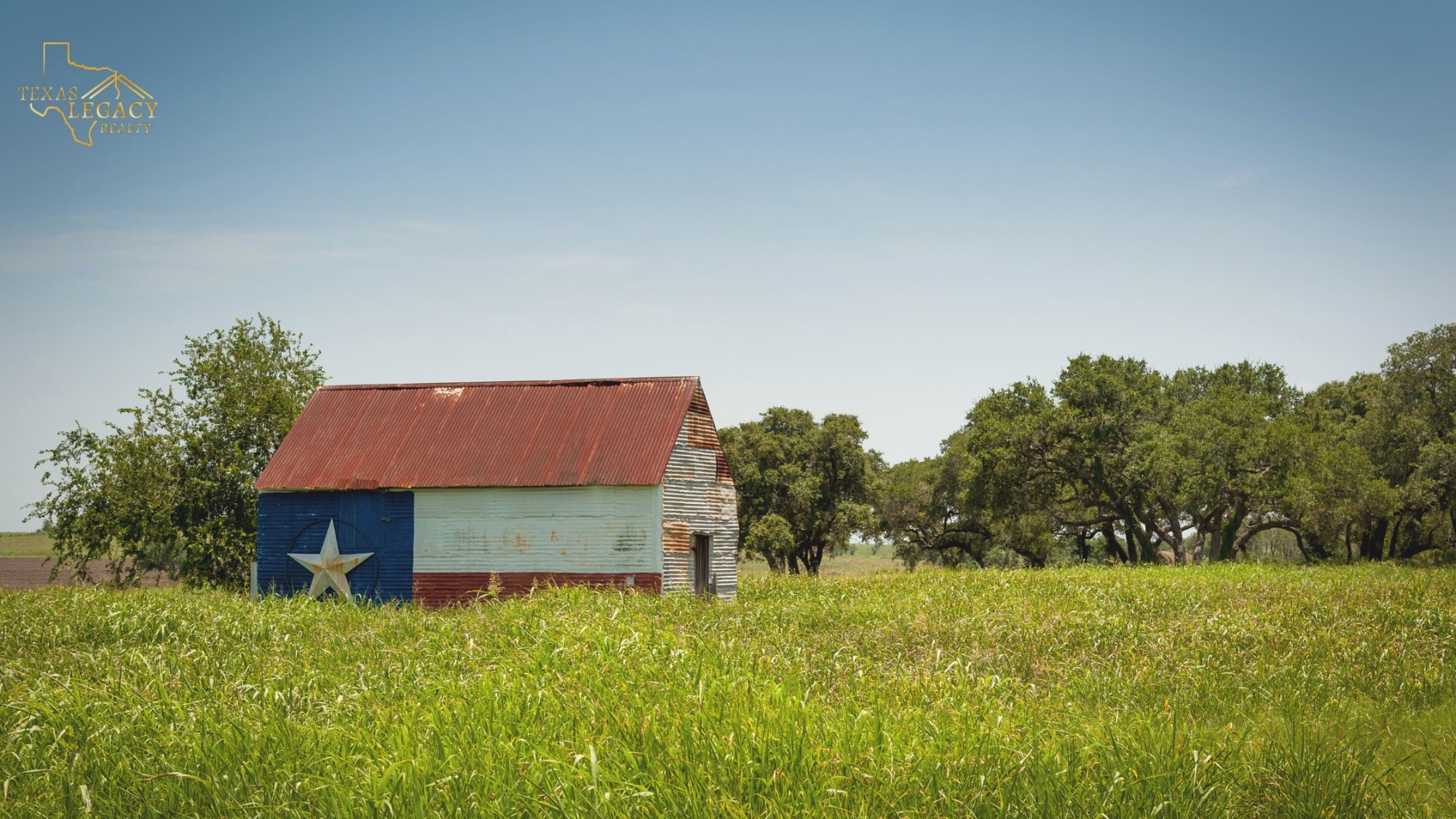
For many buyers, the dream is simple: more space, fewer neighbors, quieter mornings, and enough land to truly enjoy being at home. If you have been thinking about leaving the city for country living, you are not alone.
Moving from the city to the country can be an exciting lifestyle change, but buying a rural property is often different from purchasing a home in a traditional neighborhood. Before you begin your search, here are a few important things to consider.
1. Decide What “Country Living” Means to You
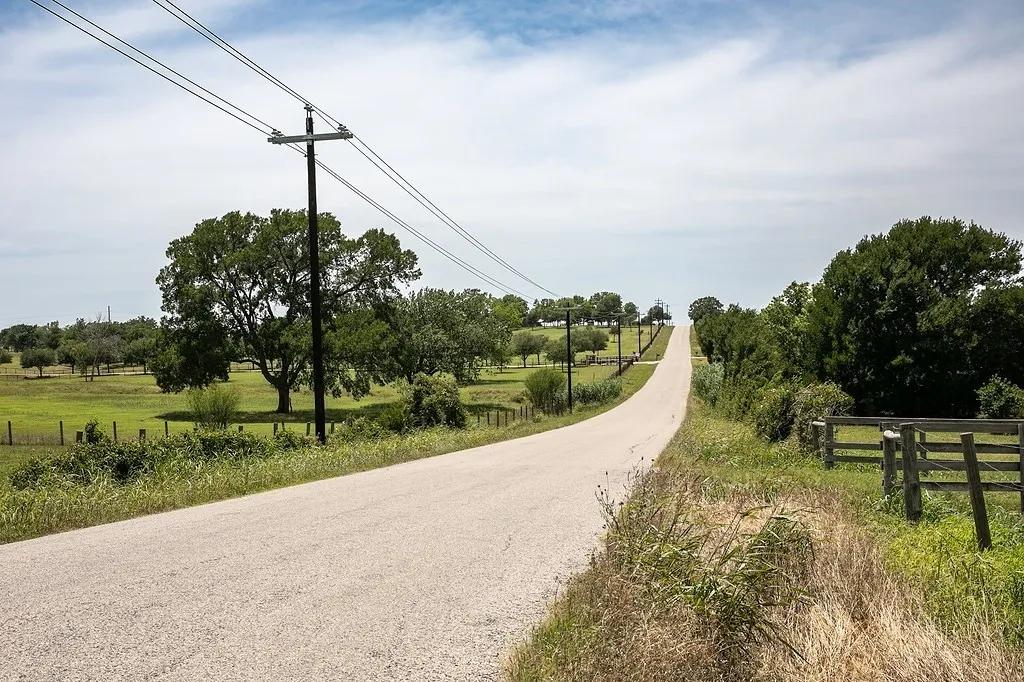
Country living looks different for everyone. Some buyers want several acres, room for animals, and no neighbors in sight. Others simply want a larger lot and a quieter community while staying close to shopping, schools, and work.
Before touring homes, think about what matters most to you:
-
How much land do you realistically want to maintain?
-
Do you need space for animals, a workshop, an RV, or recreational vehicles?
-
How far are you comfortable driving for groceries, appointments, and entertainment?
-
Would you prefer a completely rural property or a home in a small town?
Knowing which version of country living fits your lifestyle will make your home search much more focused.
2. Look Beyond the House and Evaluate the Land
When buying a country property, the land can be just as important as the home. Pay attention to the property’s terrain, drainage, fencing, road access, trees, and usable acreage.
If you plan to keep livestock, build a shop, add another structure, or use the land in a specific way, confirm that the property can support those plans. Deed restrictions, easements, zoning rules, and flood zones may affect what you can do, even when a property appears to offer plenty of open space.
3. Understand Wells, Septic Systems, and Other Utilities
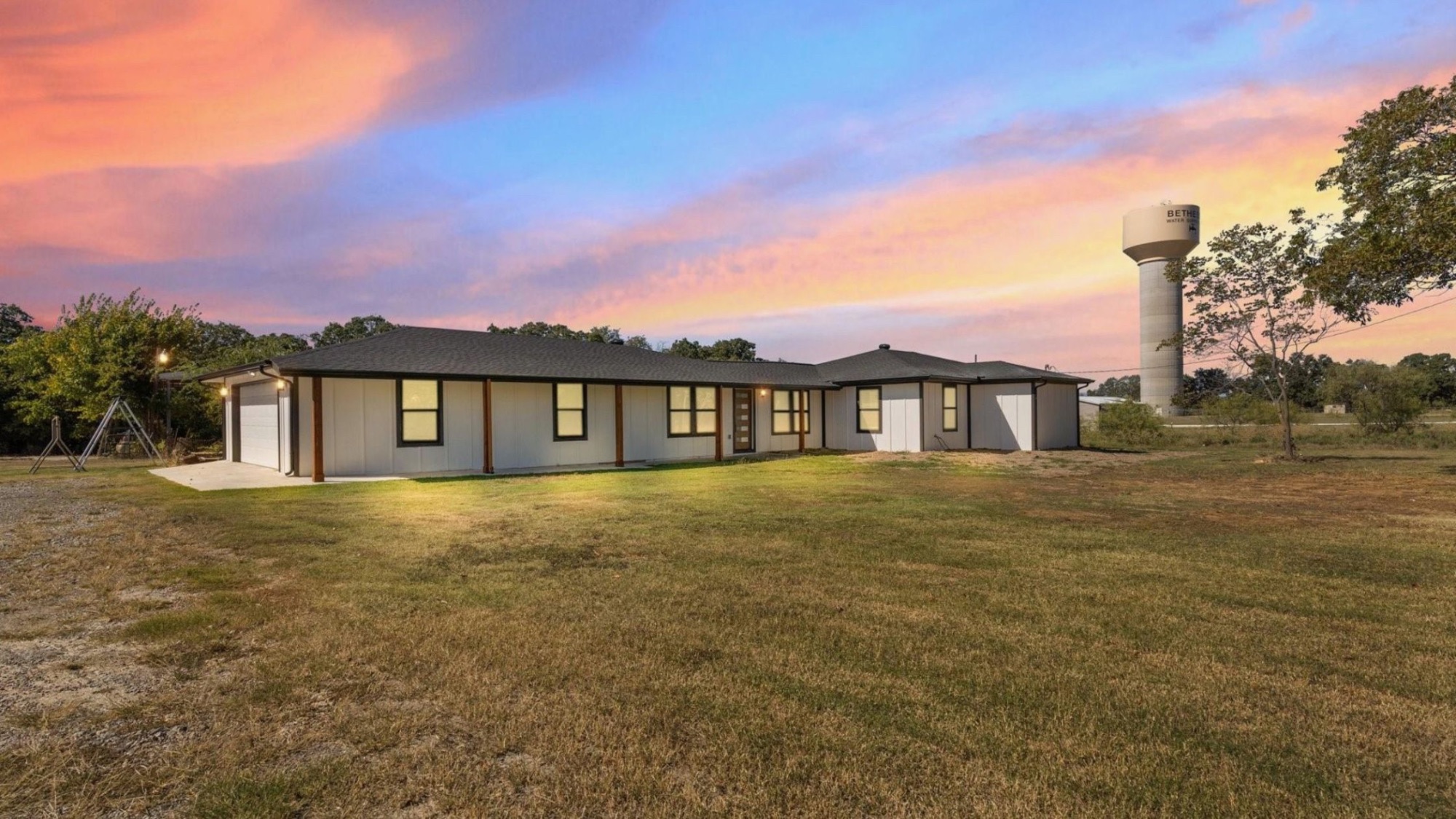
Many rural properties are not connected to the same public utilities you may be used to in the city. A country home may use a private well, septic system, propane tank, or electric co-op.
These systems are common, but buyers should understand their condition, maintenance needs, and typical costs. Appropriate inspections can help you learn how each system works and whether repairs or updates may be needed.
It is also important to check internet and cell service at the property, especially if you work from home. Availability can vary considerably from one rural area to another.
4. Consider Your Daily Drive
A peaceful country setting may come with a longer commute. Before falling in love with a property, map the drive to work, school, medical care, grocery stores, and the places you visit regularly.
Try the route during the times you would normally travel. A home that looks close on a map may feel very different during weekday traffic, or when part of the drive is along a two-lane country road.
The goal is to find a location that gives you the lifestyle you want without making your everyday routine harder than expected.
5. Plan for Property Maintenance
More space offers more freedom, but it also requires more upkeep. Larger properties may need mowing, fence repairs, tree maintenance, pest control, driveway care, or equipment you did not need in the city.
That does not mean you need to rule out acreage. It simply means you should choose an amount of land that fits your time, budget, and plans. For some buyers, one acre is the perfect balance. Others are ready for ten acres or more.
6. Talk with a Lender Early
Financing a rural home, acreage, manufactured home, farm, or property with multiple structures can involve different requirements than financing a typical home in a subdivision.
Speaking with a knowledgeable lender before you begin touring properties can help you understand which homes fit your loan program and budget. It can also prevent surprises once you find the right property.
7. Work with an Agent Who Understands Rural Property
Buying in the country involves questions that may not come up during a city home purchase. An agent familiar with rural real estate can help you look beyond the beauty of the home and evaluate details such as acreage, access, utilities, restrictions, surveys, and future use.
The right guidance can help you find a property that works not only on closing day, but for the life you want to build there.
Ready to Make the Move?
Moving from the city to the country is about more than buying a different house, it is about choosing a different way of life. Whether you are dreaming of a small-town neighborhood, a home on a few acres, or enough land for animals and a workshop, the best place to start is with a clear plan.
If you are thinking about making the move in North Texas, I would love to help you explore your options and find the right fit for your lifestyle.

FROM OUR BLOG


Thinking About Selling? Why Late Summer Could Be Your Opportunity
If selling your home has been in the back of your mind, you may be wondering if you’ve missed your chance by waiting until late summer. The good news? You haven’t. While spring often gets the most attention in real estate, late summer can bring its own advantages for homeowners who are ready to make

Should You Fix Up Your Home Before You Sell? Here's What's Worth It (and What's Not).
One of the first questions homeowners ask before listing their home is: "Should I make repairs and updates before I sell?" The answer isn't always yes. While a few improvements can make a big difference, spending thousands of dollars on major renovations doesn't always result in a higher sales price

7 Things To Do Before You List Your Home (That Can Help You Sell You Sell Faster)
7 Things to Do Before You List Your Home (That Can Help You Sell Faster) If you're thinking about selling your home, you may be wondering what you should do before putting it on the market. Should you remodel the kitchen? Paint the walls? Replace the carpet? The truth is, not every project is wort