
Exploring Granbury TX Residential Properties: 2026 Market Insights
Granbury TX residential properties draw steady attention going into 2026, as demand clusters around Lake Granbury waterfront homes and established neighborhoods along US Highway 377. According to Realtor.com, the market typically carries between 250 and 350 active listings through early 2026, creating moderate but noticeable competition. Buyers and investors track inventory not only around Historic Granbury Square but also in communities such as Pecan Plantation and DeCordova Bend Estates, where master-planned amenities combine with convenient access to shopping along Morgan Street.
How Is the 2026 Market Shaping Up for Granbury TX Residential Properties?
Granbury sits in Hood County, about 35 miles southwest of Fort Worth, and functions as both a commuter base and lakeside destination. According to U.S. Census Bureau estimates through 2023, the city’s population has grown by roughly 10% over the past decade, helping sustain housing demand into 2026. That growth spills into subdivisions near Granbury Regional Airport and along Highway 144 toward Acton, where single-family homes on larger lots attract residents seeking more space than typical metro-area properties.
Pricing for Granbury TX residential properties varies widely by proximity to Lake Granbury and neighborhood amenities. Based on listing data from early 2026 compiled by Redfin, many entry-level single-family homes trade in a band between $250,000 and $350,000, while lakefront or golf-course properties in communities such as Harbor Lakes and Pecan Plantation often list between roughly $500,000 and $900,000. This spread allows both first-time buyers and move-up purchasers to participate in the same local market.
Market pace remains manageable but rewards decisive offers. According to Zillow data reviewed in early 2026, typical days on market for Granbury sits in a range of about 30 to 45 days, shorter for updated homes near Historic Granbury Square. That timing gives serious buyers a limited window for inspections, financing coordination, and potential negotiation on concessions, especially in inventory-constrained pockets surrounding Lake Granbury Marina and Harbor Lakes Golf Club.
Rental demand also influences pricing for Granbury TX residential properties. According to surveys summarized by Apartment List, two-bedroom rents in Granbury typically sit between roughly $1,200 and $1,600 per month as of late 2025, with higher figures near the lakefront and downtown. That rental range, combined with relatively moderate purchase prices, attracts investors who compare projected mortgage payments and taxes against potential long-term leasing or short-term vacation rental income.
Which Neighborhoods and Subdivisions Stand Out in Granbury?
The Historic Granbury Square anchors one of the city’s most recognizable residential areas, with streets such as Crockett Street, Houston Street, and Bridge Street lined by restored homes and small businesses. According to Visit Granbury, more than 40 shops and restaurants operate within walking distance of the Hood County Courthouse, supporting strong foot traffic and lifestyle appeal. Homes within roughly a half-mile radius of the square often command premiums because residents can walk to Mesquite Pit, Babe’s Chicken Dinner House Granbury, and live performances at the Granbury Opera House.
Planned communities play a critical role in Granbury TX residential properties. DeCordova Bend Estates and Pecan Plantation, located along the Brazos River and Lake Granbury, combine gated entries with golf courses, airstrips, and community centers. According to association descriptions and transaction summaries cited by HAR.com, many homes in these neighborhoods range from approximately $400,000 to beyond $1,000,000, especially for larger lots or waterfront frontage. These enclaves appeal to buyers prioritizing private amenities and planned infrastructure over in-town walkability.
During a late afternoon drive along Pearl Street toward Shanley Park, the canopy of mature oaks casts dappled light across sidewalks and brick storefronts. The sound of church bells near the Hood County Courthouse mingles with distant music from restaurants on the Historic Granbury Square, while the smell of smoked brisket drifts from Mesquite Pit on Morgan Street. That combination of historic architecture, lake-cooled breezes, and steady downtown activity shapes buyer perceptions of adjacent residential streets.
South of town, the Acton and Oak Trail Shores areas feature a mix of older lake cottages, newer construction, and manufactured homes. According to neighborhood summaries compiled by NeighborhoodScout, these pockets provide some of the more affordable options among Granbury TX residential properties, frequently listing under $300,000. Farther west, neighborhoods off Mambrino Highway and near Mambrino School Road offer larger tracts and a more rural atmosphere, attracting residents seeking distance from the busier US Highway 377 commercial corridor.
What Role Do Schools and Amenities Play in Property Demand?
School performance remains a key driver of demand for Granbury TX residential properties. According to GreatSchools, Granbury High School currently holds a rating in the middle range, while John and Lynn Brawner Intermediate School and Acton Middle School post comparable scores. Families often target homes within convenient commuting distance of Granbury High School on West Pearl Street and Granbury Middle School on Crossland Road, balancing academic considerations with proximity to extracurricular amenities around Lake Granbury.
Parks and recreation further shape neighborhood preferences. Hewlett Park, Shanley Park, and Granbury City Beach Park along Lake Granbury provide access to walking trails, playgrounds, and sand beaches within a few minutes of Historic Granbury Square. According to City of Granbury Parks and Recreation, the department manages more than 120 acres of parkland and open space across the community. Buyers often prioritize homes within approximately 1 to 2 miles of these amenities to support active lifestyles and family outings.
On a warm summer evening at Granbury City Beach Park, the scent of sunscreen and grilled burgers rises above the shoreline while children’s laughter mixes with the soft slap of waves against the retaining wall. Lights from Lake Granbury Marina shimmer across the water as boats idle near the docks, and the rough texture of the boardwalk rail contrasts with the smooth concrete under bare feet. Nearby homes along Brazos Drive and Pearl Street quietly overlook this lakeside scene.
Retail and dining access also increase appeal. The commercial stretch of US Highway 377 hosts national retailers, medical offices, and grocery stores, while Morgan Street and Pearl Street support locally owned restaurants and boutiques. According to business counts from DowntownTX.org, more than 60 businesses cluster around the Historic Granbury Square district alone. This concentration of services reduces drive times and often justifies higher prices for nearby Granbury TX residential properties, especially for households that prioritize convenience over larger lot sizes.
How Do Transportation, Commutes, and Walkability Affect Value?
Transportation patterns strongly influence buyer decisions in Granbury. US Highway 377 provides the primary arterial route toward Benbrook and Fort Worth, with typical drive times to downtown Fort Worth ranging from about 45 to 60 minutes during normal traffic. According to commute data summarized by U.S. Census ACS, a significant share of Granbury residents report one-way travel times of 30 minutes or longer. Neighborhoods closer to the highway interchanges often command premiums from commuters balancing fuel costs and time.
Within the city, walkability centers on the Historic Granbury Square and adjacent blocks. According to Walk Score, Granbury posts an overall score in the low 30s, classifying most areas as car-dependent. However, streets including Crockett Street, Houston Street, and Bridge Street around the square achieve much higher local walk scores due to clustered dining, retail, and civic buildings. Buyers focused on walkable lifestyles often target condos or smaller homes in these blocks despite higher per-square-foot pricing.
Granbury Regional Airport, situated off Greenbriar Court, also influences some purchasing decisions, particularly for pilots living in Pecan Plantation or DeCordova Bend Estates. Noise from occasional small aircraft may affect properties immediately under flight paths, while residents with aviation interests may view runway proximity as a benefit. Meanwhile, planned infrastructure improvements along Highway 144 and FM 51 continue to support growth south and north of the city, indirectly shaping where new subdivisions and future Granbury TX residential properties can emerge.
Public transportation options remain limited. Regional bus networks do not yet provide direct daily service into Fort Worth, so most commuters rely on personal vehicles. This reality places extra emphasis on garage capacity, driveway length, and off-street parking within residential site plans. Cul-de-sac layouts off streets such as Meander Road and Temple Hall Highway can reduce through-traffic noise, enhancing perceived privacy and supporting steady demand from remote workers balancing home office needs with occasional trips into the Dallas–Fort Worth Metroplex.
What Should Buyers and Investors Watch in 2026?
Several market indicators merit close monitoring for Granbury TX residential properties in 2026. According to pricing trend charts from Realtor.com, typical list price ranges in Granbury have moved upward by roughly 15% to 20% over the past three years, though month-to-month fluctuations remain common. Interest rates, new construction activity near neighborhoods like Meander Estates, and proposed developments along Highway 377 will continue influencing overall affordability and inventory.
Short-term rental regulation is another variable. Lake Granbury waterfront homes along streets such as Waters Edge Drive and Island Village Court often attract both full-time residents and investors exploring vacation-rental models. According to policy updates posted by the City of Granbury, ordinances governing occupancy limits, parking, and registration requirements have evolved in recent years. Investors evaluating Granbury TX residential properties for rental use must factor compliance costs, potential permitting fees, and changing community sentiment around neighborhood impacts.
Property tax dynamics also shape long-term returns. Hood County and Granbury Independent School District set combined property tax rates that can approach or exceed 2% of assessed value, based on figures reported by the Hood Central Appraisal District for 2024. For a home valued near $400,000, that translates into annual property tax obligations in the range of roughly $8,000 to $8,800, before considering any homestead or over-65 exemptions.
Renovation potential presents another dimension of opportunity. Older homes near Historic Granbury Square, Shanley Park, and Hewlett Park often require updates to mechanical systems, roofs, or interiors but reward projects that preserve historic character. Contractors familiar with local architectural styles along streets such as Rucker Street and Lambert Street can help align modernization with city guidelines. In contrast, newer subdivisions around Harbor Lakes Golf Club or south along Highway 144 generally require less immediate work, allowing investors to focus on cosmetic enhancements that improve rental appeal or eventual resale value.
The 250 to 350 active listings cited at the start of this guide reflects a market where selection exists but hesitation can still lead to missed opportunities in the most desirable pockets of Granbury. That inventory figure from early 2026 underscores how quickly competitively priced homes near Lake Granbury and the Historic Granbury Square can move when interest aligns. The Granbury Association of REALTORS MLS provides the most current snapshot of new listings, status changes, and closed-sale benchmarks for this area. Buyers who register listing alerts through that system and commit to touring promising homes within 24 to 48 hours of activation before the late-spring surge in May consistently secure better pricing and terms, while those delaying showings until the summer peak often confront tighter selection and steeper competition.
FROM OUR BLOG

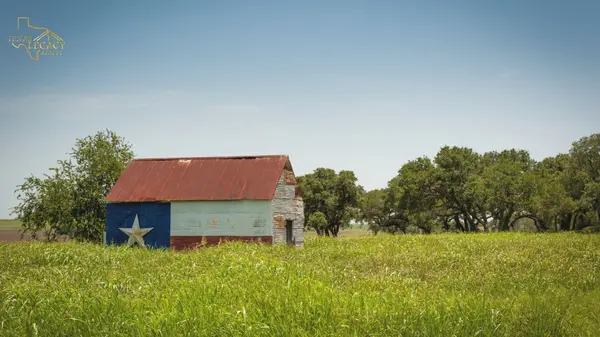
Thinking About Moving from the City to the Country? Here’s What to Consider
For many buyers, the dream is simple: more space, fewer neighbors, quieter mornings, and enough land to truly enjoy being at home. If you have been thinking about leaving the city for country living, you are not alone. Moving from the city to the country can be an exciting lifestyle change, but buyi

Thinking About Selling? Why Late Summer Could Be Your Opportunity
If selling your home has been in the back of your mind, you may be wondering if you’ve missed your chance by waiting until late summer. The good news? You haven’t. While spring often gets the most attention in real estate, late summer can bring its own advantages for homeowners who are ready to make

Should You Fix Up Your Home Before You Sell? Here's What's Worth It (and What's Not).
One of the first questions homeowners ask before listing their home is: "Should I make repairs and updates before I sell?" The answer isn't always yes. While a few improvements can make a big difference, spending thousands of dollars on major renovations doesn't always result in a higher sales price